
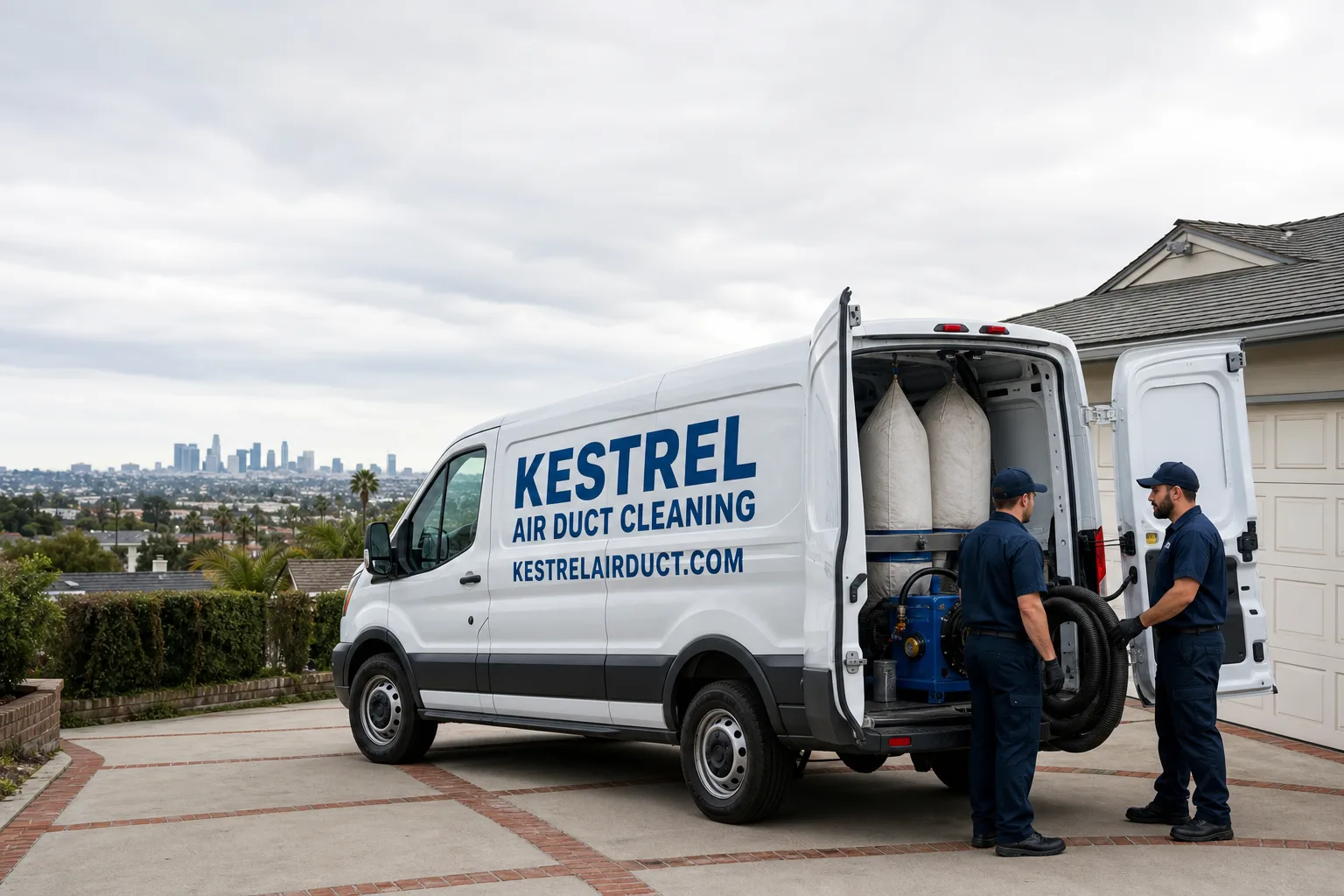
Whole-system duct and dryer vent check with before-and-after photos - you see exactly what came out of your vents
That "$99 whole-house special" is a bait ad - the real number appears once they are in your hallway, or the "clean" is a shop-vac at the register. We photograph the inside of your ducts before and after instead.




 Before
 After
After Before
 After
After Before
 After
AfterProfessional Dryer Vent Installation for Homeowners Across the United States
A new dryer is only as safe as the vent behind it. At Kestrel Air Duct Cleaning, our dryer vent installation covers the full exhaust path, from the connection at the back of the machine to the hood on your exterior wall or roof. Most installs we see run between $200 and $550, depending on the length of the run and how many walls, floors or rooflines the duct has to cross. We give you a written price before we cut a single hole, so there are no surprise fees at the door. We have worked this way since 2004, and every install is backed by our 365-Day Done Right Promise. If you just bought a dryer, moved a laundry room, or found a crushed foil hose behind your machine, call (469) 972-3151 and we will walk you through the right setup for your home.
Homes across the country share the same problem: the vent was an afterthought. Builders often run the shortest, cheapest path, and later owners add a new dryer, a stackable unit or a remodeled laundry closet without checking whether the old duct can handle it. The result is a long, bent, lint-trapping tube that makes the dryer work harder every cycle. Our technicians are background-checked and uniformed, and they arrive with the right tools to do a clean, code-minded job. We work under The Kingswell Way, which means we show up in the window we promised, protect your floors, and leave the laundry room cleaner than we found it. Whether you live in a ranch house with an exterior wall right behind the dryer or a townhome where the vent must travel through a floor system, we plan the route first and install second.
What Our Dryer Vent Installation Includes
Route Planning
Every install starts with a walk-through of the laundry area and the likely exit points. We measure the distance to the outside, count the turns, and look for the straightest path that stays inside the length limits for your duct size. A short, direct route is the single biggest factor in how well a dryer vent performs, so we spend real time here before any cutting begins.
Rigid Metal Ducting
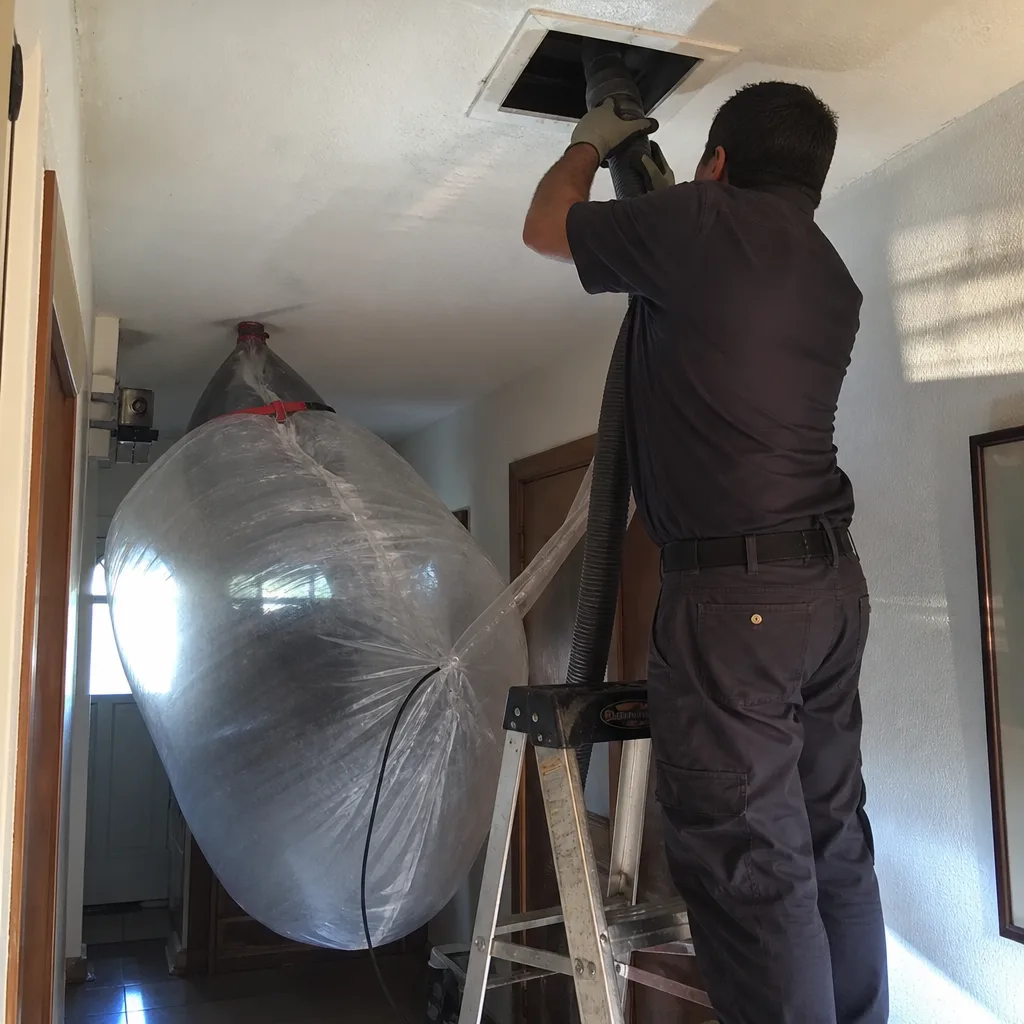
We install smooth-wall rigid or semi-rigid metal duct, never vinyl or thin foil that sags and snags lint. Smooth metal lets air move freely and gives lint nowhere to catch. Joints are fitted so the male end points the direction of airflow, and they are sealed with foil tape rather than screws that would poke into the pipe and collect debris.
Exterior Hood and Termination
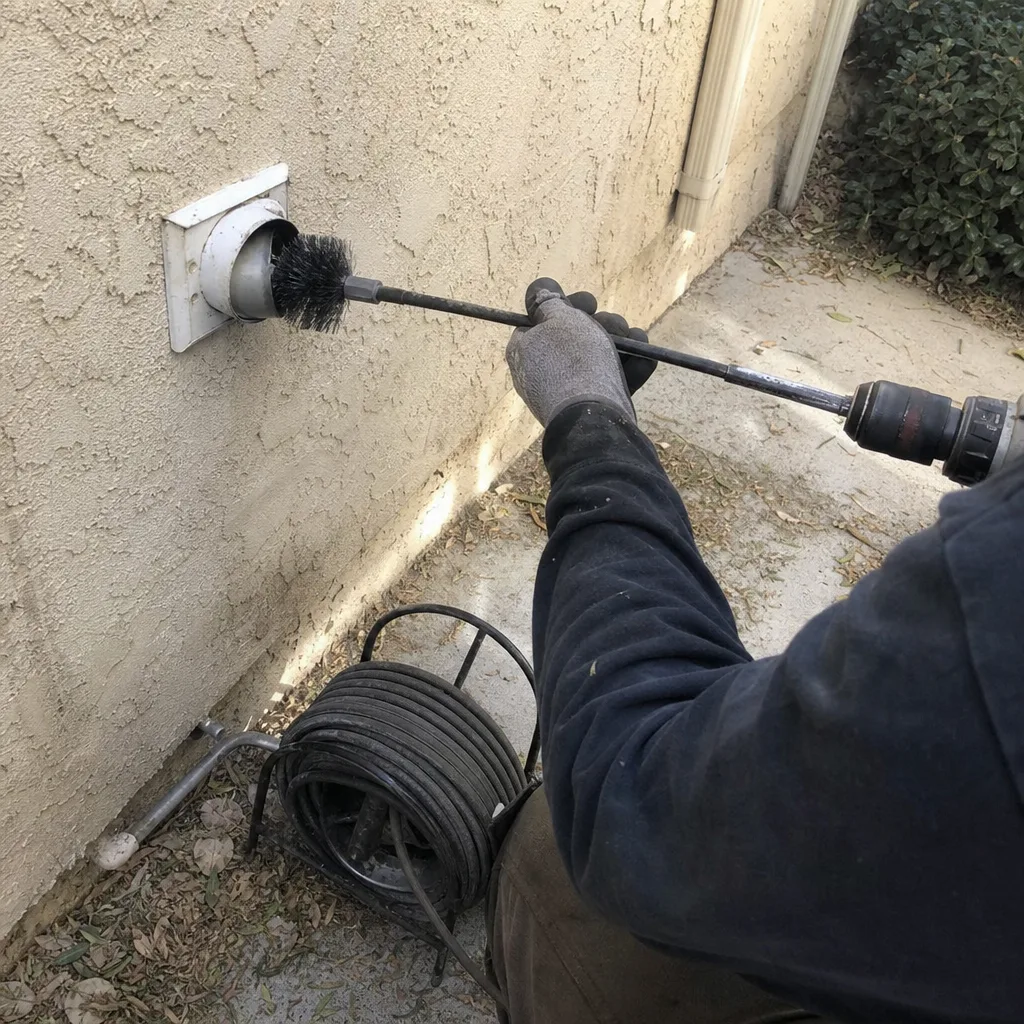
The vent has to end outdoors, never in an attic, crawl space or garage. We mount a properly sized hood with a damper that closes when the dryer is off and opens fully when it runs. Where pests are a concern, we use a design that keeps birds and rodents out without a screen that traps lint, since screens clog fast and are a common cause of failures.
Wall, Floor and Roof Penetrations
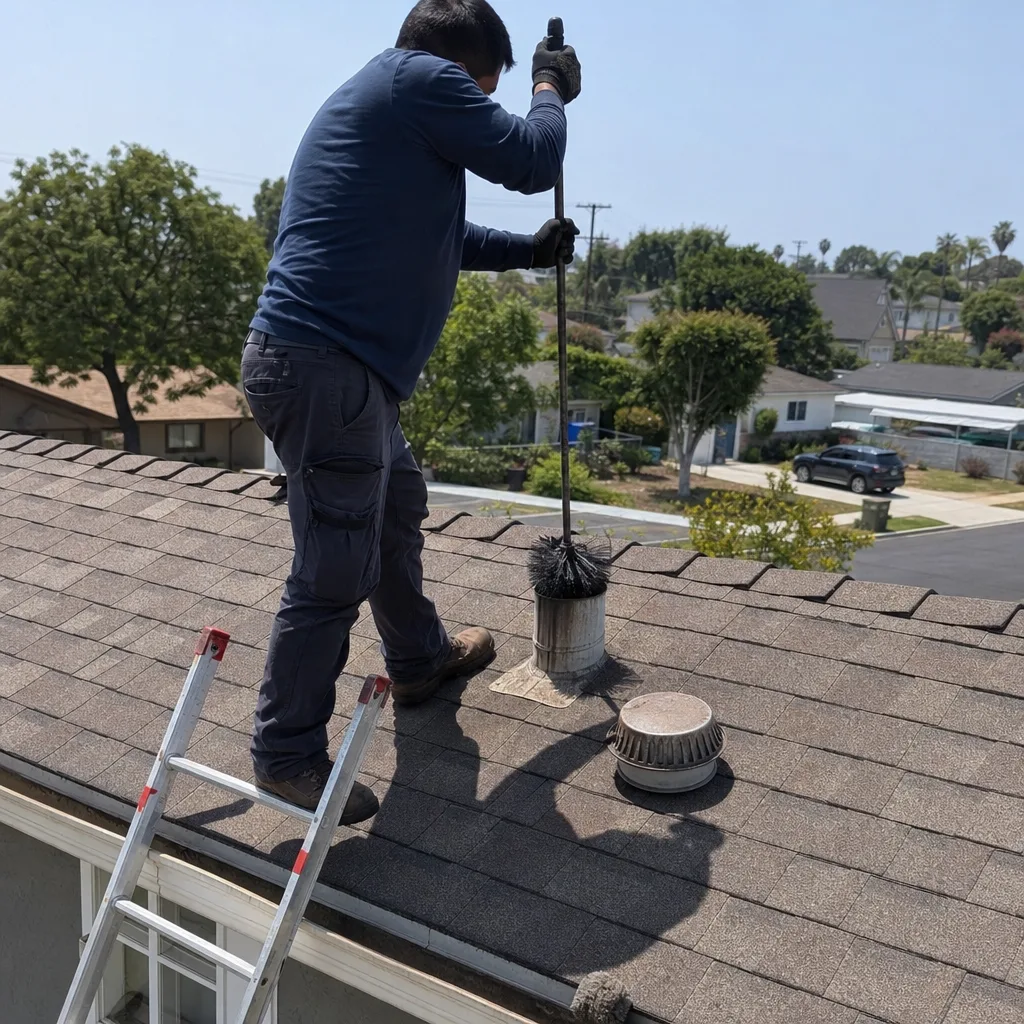
Getting through siding, brick, stucco, a rim joist or a roof deck takes care. We cut clean openings, flash and seal them against water, and fill gaps so air and pests cannot sneak in beside the duct. A sloppy hole can cause rot or leaks that cost far more than the install, so this step gets the same attention as the duct itself.
Support and Transition Connection
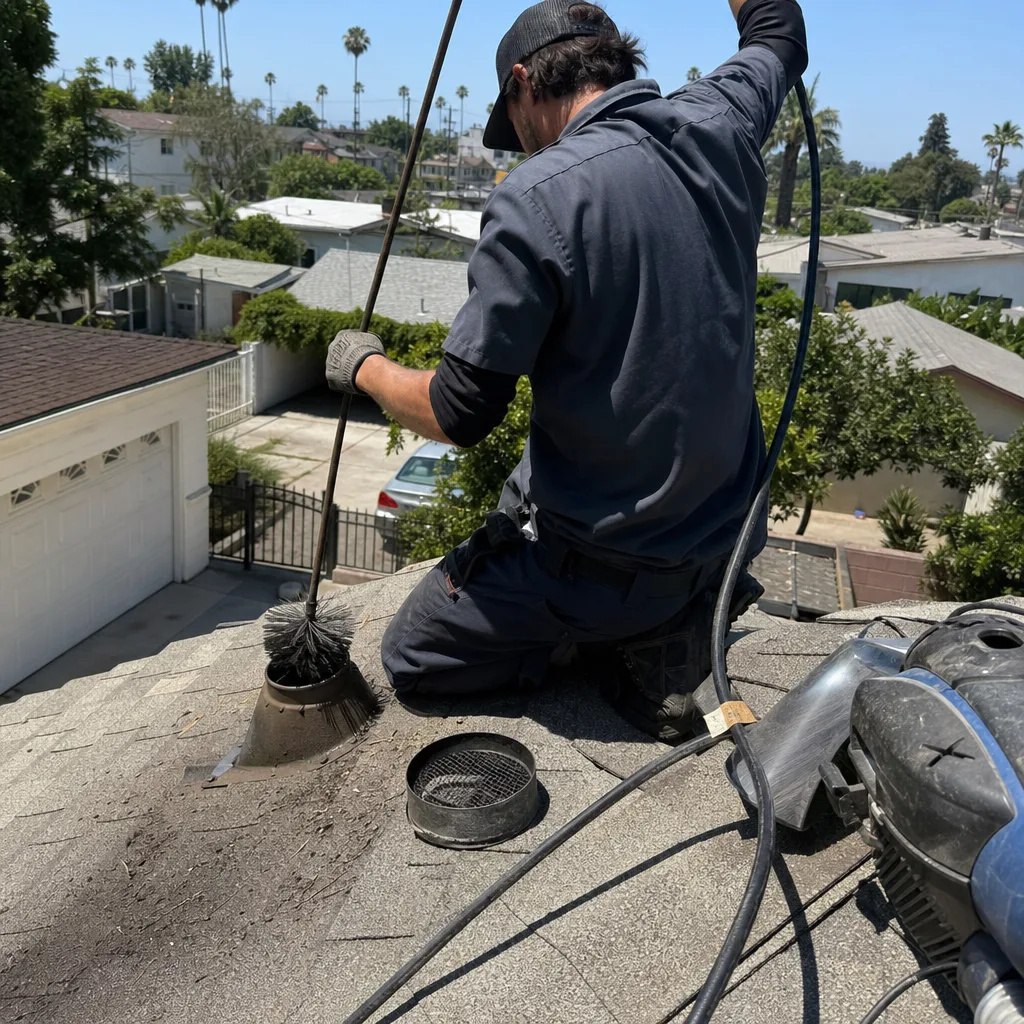
Long runs need hangers so the duct does not sag between joists. We strap the pipe at proper intervals and connect it to the dryer with a short, listed transition piece, not a long accordion hose. That keeps the machine pushed back close to the wall and keeps the bends gentle instead of kinked.
Airflow Testing
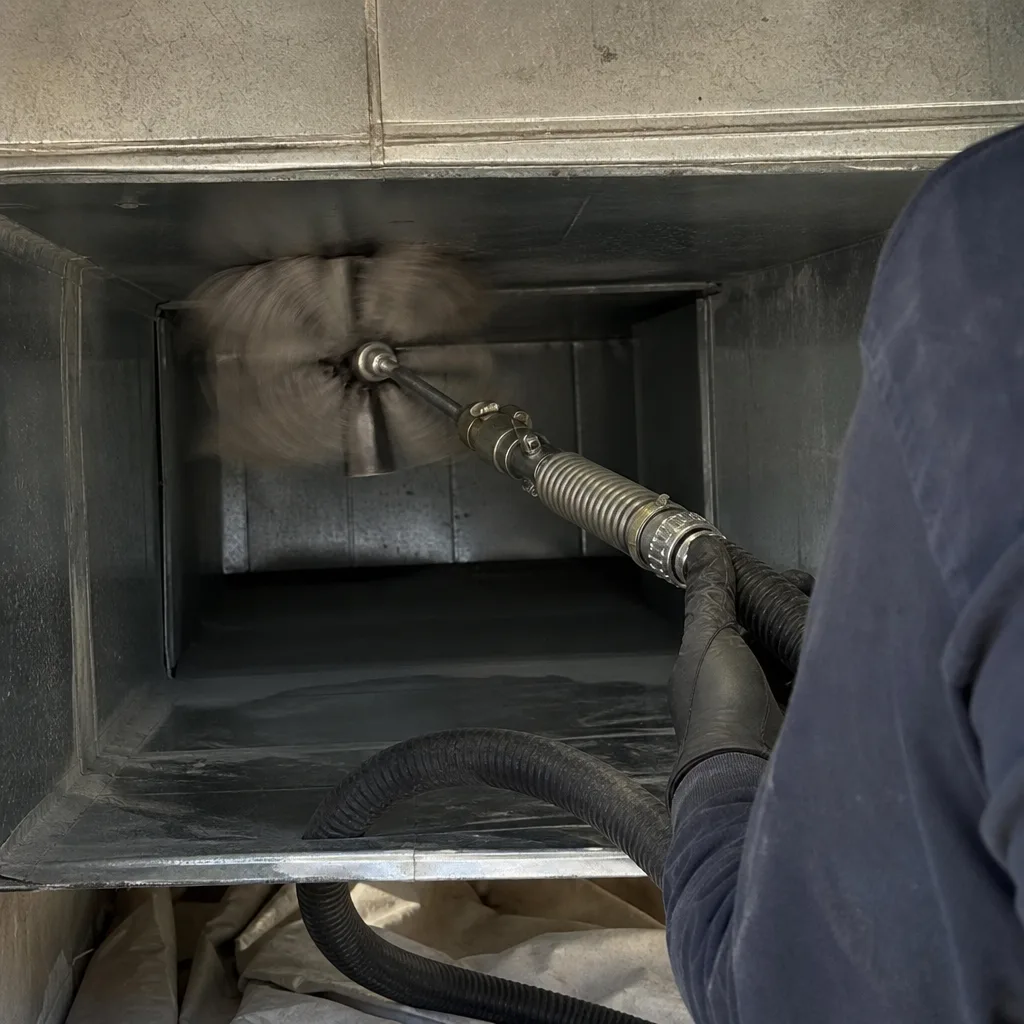
Once everything is connected, we run the dryer and measure airflow at the exterior hood. We confirm the damper opens, the joints hold, and no air leaks into the wall cavity. You see the result before we pack up, and we note it on your invoice.
What happens when you call
- 1
A real person answersNo phone trees – you reach a local pro.
- 2
You get an upfront price rangeHonest numbers before anyone is dispatched.
- 3
A background-checked tech heads outLicensed & insured, dispatched right away.
- 4
You approve before work beginsNothing starts until you say go.
Dryer Vent Materials and Layouts We Install
Not every home needs the same setup. A dryer on an exterior wall usually needs a short straight run of 4-inch rigid duct and a wall hood. A dryer on a second floor often runs down through the floor system and out a rim joist, or up and out through the roof. Basement laundry rooms may need a run along the ceiling joists to the nearest outside wall. Closet and stacked units sometimes call for a low-profile elbow or a recessed wall box so the dryer can sit flat without crushing the pipe.
We choose materials to fit the job. Rigid galvanized or aluminum duct is our first choice for long or hidden runs because it resists crushing and holds a smooth interior. Semi-rigid aluminum is useful for the last few feet where a tight offset is unavoidable. We avoid plastic and thin foil duct for anything permanent, since those products sag, tear and trap lint, and many local codes prohibit them. If your home has a long run that cannot be shortened, we can discuss a code-compliant booster fan, but we only recommend one when the layout truly demands it.
Signs You Need a New Dryer Vent Installed
- You just bought or moved a dryer. A new machine is the perfect time to check the vent. If the old duct is vinyl, foil, crushed, or longer than it should be, installing a proper vent now protects the new dryer and your warranty.
- The vent ends in the attic, crawl space or garage. Dryer exhaust carries heat, moisture and lint. Dumping it into an enclosed space invites mold, rot and a serious fire risk. The vent must go outdoors.
- Clothes stay damp after a full cycle. If cleaning the vent did not fix it, the route itself may be the problem, with too many turns, too much length, or a section that sags and holds lint.
- Lint shows up around the dryer or on the siding. Lint behind the machine means a joint has come apart. Lint staining the outside wall means the hood is broken, missing, or poorly placed.
- The duct is held together with screws or has a flexible accordion hose running through a wall. Both are common shortcuts. Screws catch lint, and hidden flexible hose is a known fire hazard that should be replaced with smooth metal duct.
Our Dryer Vent Installation Process, Step by Step
- 1
Walk-Through and Measurements: We look at the dryer location, find the best exit point, and measure the full run including every bend. This tells us whether a standard install will work or whether the layout needs a different approach.
- 2
Written Price and Your Approval: You get a clear price in writing that covers materials, labor, the hood and sealing. Nothing starts until you agree to it.
- 3
Removal of the Old Vent: We disconnect the old duct, pull out any damaged hose or foil, and clear leftover lint so the new run starts clean. We cover floors and furniture before we begin.
- 4
Installing the New Duct and Hood: We cut the exterior opening, fit the rigid duct with joints facing the right direction, strap it in place, and mount and seal the new hood. Every penetration is sealed against weather and pests.
- 5
Testing and Cleanup: We reconnect the dryer, run a full cycle, check airflow at the hood and look for leaks at each joint. We haul away old materials and show you the finished work before you sign off.
How Much Does Dryer Vent Installation Cost?
Most dryer vent installations fall between $200 and $550. A short run through an exterior wall sits at the low end. A long run, a second-story laundry room, a roof exit, or a brick exterior that needs careful cutting moves the price up. We do not use teaser coupons or bait-and-switch tactics. When you call, we give you a clear, written price before we begin, covering the duct, the hood, the sealing and the airflow test.
The main cost drivers are the length of the run, the number of bends, the type of wall or roof we have to cut through, and how easy it is to reach the path. If we find extra problems, such as a rotted section of siding or a nest inside an old vent, we tell you before doing anything and let you decide. If your existing vent only needs a cleaning rather than a new install, we will say so honestly. Our goal is a vent that works for years, not a bigger invoice. Call (469) 972-3151 for a free estimate tailored to your home.
Safety and Code Points We Follow
Dryer exhaust is regulated for good reason. Lint is dry and flammable, and a restricted vent lets heat build inside the machine. Common code guidance caps the total run at about 35 feet, with allowances subtracted for every elbow, and calls for a 4-inch smooth metal duct that terminates outdoors at a safe distance from windows and other openings. Local rules vary, so we install to the requirements where you live and follow the dryer maker’s instructions when they are stricter.
We also keep the vent separate from other exhaust systems. A dryer duct is never tied into a bathroom fan, a furnace flue or a soffit vent. Each one has its own path to the outdoors. These details are easy to miss and they matter, which is why we explain each choice to you as we go and note the finished layout on your invoice.
Dryer Vent Installation Across the United States
Kestrel Air Duct Cleaning serves homeowners nationwide, and our standards stay the same from one region to the next. Climates differ, from humid coastal homes to cold northern ones where a leaky duct can drip condensation inside a wall, but the core of a good install does not change: a short straight path, smooth metal, sealed joints and a hood that works. We have installed dryer vents since 2004 and we back each job with the 365-Day Done Right Promise in writing. Call (469) 972-3151 to confirm scheduling for your area. You can also read about our dryer vent cleaning service, our air duct repair work and air duct replacement, or start from our home page.
Frequently Asked Questions – Dryer Vent Installation
Most installs take between one and three hours. A short run through an exterior wall is quick. Longer runs, brick or stucco exteriors, and roof exits take more time because the cutting and sealing must be done carefully. We tell you the expected time when we give you your written price.
Most jobs run between $200 and $550, depending on the length of the run, the number of bends and the wall or roof we have to cut through. We give a firm, written price before work begins. Call (469) 972-3151 for a quote based on your laundry room layout.
Smooth-wall rigid metal duct is the best choice for most homes. It resists crushing, lets air move freely and gives lint very little to catch on. We use semi-rigid aluminum only for short final connections, and we avoid vinyl and thin foil duct because they sag and trap lint.
No. Dryer exhaust must end outdoors. Venting into an attic, crawl space or garage releases moisture and lint into a closed space, which can cause mold, rot and fire. If your current vent ends in one of those places, we can reroute it to a proper exterior hood.
Yes. The exhaust duct is installed the same way for both. For gas dryers, a tight, leak-free vent matters even more because combustion gases travel through the same path. We do not work on the gas supply line itself, so if that needs attention we will tell you to have a licensed gas fitter handle it.
Every install is backed by our 365-Day Done Right Promise, documented in writing on your invoice. If a joint fails or the work falls short within that time because of our installation, we come back and make it right at no additional charge.
Schedule Your Dryer Vent Installation Today
A proper dryer vent saves energy, shortens drying times and lowers the risk of a lint fire. At Kestrel Air Duct Cleaning, we plan the route, install it with smooth metal duct, seal every joint and test the airflow before we leave. Our background-checked technicians have been doing this work since 2004, and every job comes with a written price and the 365-Day Done Right Promise. Call (469) 972-3151 today for a free, no-obligation estimate.
Written by Dale Whitmore, Owner at Kestrel Air Duct Cleaning, serving homeowners across the United States since 2004.